
The Ultimate Guide to Buying Second-Hand Fashion Without Regret
 by Admin
The Ultimate Guide to Buying Second-Hand Fashion Without Regret
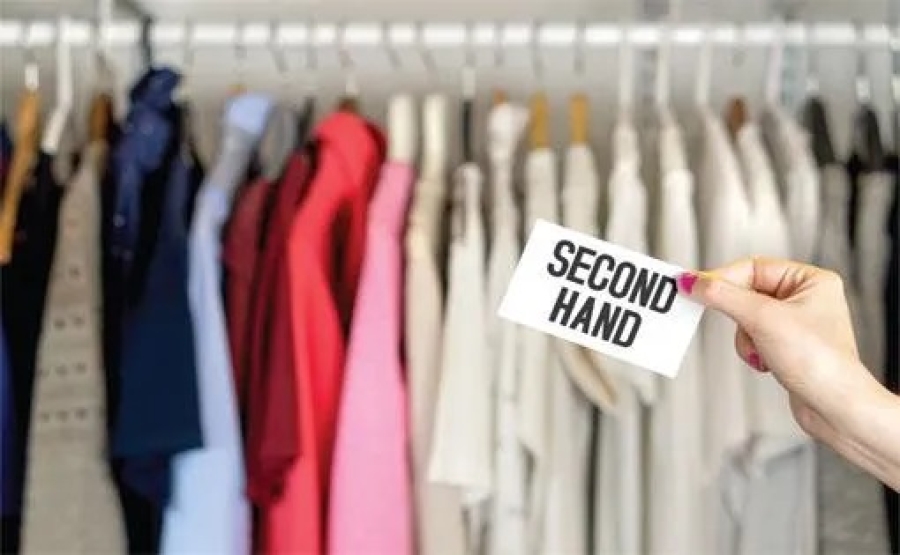
In the age of conscious consumerism, second-hand fashion has become more than just a budget-friendly alternative—it’s a lifestyle choice. Whether you're thrifting to save money, reduce waste, or find unique pieces that nobody else owns, the resale market offers a treasure trove of fashion opportunities. However, shopping pre-owned isn’t as simple as clicking “add to cart.” It requires a mix of smart decision-making, inspection skills, and a good sense of style. If you’re new to second-hand shopping or want to sharpen your strategy, this ultimate guide will help you buy second-hand fashion confidently—without any regrets.
Understand Why You’re Buying Second-Hand
Before diving into the world of resale, clarify your reason for choosing second-hand fashion. Are you looking for vintage finds? Trying to save money? Want to reduce your environmental impact? Knowing your “why” will help you narrow down your choices and avoid impulsive buying. For example, if you’re sustainability-focused, you may be more interested in eco-conscious brands or natural fabrics. On a platform like Hootic.com, which supports buying and selling used fashion, understanding your purpose will guide your search toward more satisfying purchases.
Set a Budget and Make a Wish List
It’s easy to get carried away while browsing second-hand platforms. That’s why it's important to set a budget and stick to it. Also, create a wish list of specific items you need—like a denim jacket, a branded handbag, or winter boots. This prevents you from buying unnecessary pieces that may sit unused in your wardrobe. Having a clear goal helps you focus on the value and utility of each piece rather than simply being attracted by the discount tag.
Know Your Size and Measurements
Sizes vary greatly across brands and even more so in second-hand clothing. Some items may have shrunk over time, while vintage pieces often follow older sizing standards. Instead of relying solely on the label, know your actual body measurements and compare them with the product’s measurements listed by the seller. Don’t hesitate to message the seller for more information or ask for photos of how the item fits. A well-fitted item not only looks better but also avoids the regret of poor sizing choices.
Check Brand Authenticity and Condition
One of the most common regrets in second-hand shopping is ending up with counterfeit or damaged goods. Always inspect the product images carefully. Check for brand tags, serial numbers, stitching quality, and logos—especially if you’re buying designer fashion. On trusted platforms like Hootic, sellers are often verified, but it’s still wise to request close-up shots or even original receipts if available. Also, make sure to check for stains, tears, faded colors, or missing buttons before purchasing. A small flaw might be okay if you can fix it, but be honest with yourself about whether you’ll actually repair it.
Read the Product Description Thoroughly
Sellers often include important details in the product description, such as how many times the item has been worn, whether it has any flaws, or if it's been altered. Reading these details can save you from disappointment. It also helps you compare items more accurately and judge whether the price is fair. Some sellers even include washing instructions, which can be helpful for delicate or high-maintenance fabrics.
Compare Prices and Look for Deals
Before you hit “buy,” take a moment to compare prices for similar products across multiple sellers. Some sellers might list the same item at vastly different prices. Platforms like Hootic often allow you to sort listings by price, brand, and condition—use these filters to your advantage. You can also negotiate prices or look for bundle deals if a seller has multiple items you like. Remember, just because it’s second-hand doesn’t always mean it’s the best deal, so shop smart.
Think About Styling and Versatility
Buying second-hand doesn’t mean compromising on style. In fact, it’s an opportunity to discover unique pieces that make your wardrobe stand out. However, to avoid regrets, think about how the item will blend with the rest of your closet. Can you wear it in multiple ways or pair it with other items you already own? Does it suit your current lifestyle—work, casual, events? Fashion isn’t just about what looks good; it’s about what fits your life.
Pay Attention to Return Policies
Not all second-hand platforms allow returns, and individual sellers might have their own terms. Always check the return and refund policy before purchasing. If you’re unsure, communicate directly with the seller for clarification. Buying with confidence means knowing that if the item isn’t as described, you have some form of protection.
Embrace the Thrill—but Shop with Patience
Half the fun of second-hand shopping is the thrill of the hunt. You never know what hidden gems you might discover. But don’t let the excitement push you into impulsive buys. Be patient and persistent. If you miss out on one item, another one will come along. With time, you’ll get better at spotting deals, understanding trends, and curating your own personal second-hand style.
Final Thought
Buying second-hand fashion is more than a budget move—it’s a lifestyle statement. It shows that you value individuality, sustainability, and smart choices. With the right approach, platforms like Hootic.com make it easier than ever to find quality, stylish, and affordable fashion items. So the next time you browse for pre-loved clothes or accessories, use this guide to shop confidently, stay stylish, and never look back in regret. Fashion is temporary, but smart choices last forever.






Discover a world of opportunities with our classified ads. From everyday items to rare finds, our platform connects you with buyers and sellers in your neighborhood. Post your ad and start trading today!