GSA SER Contextual Backlinks
GSA SER Contextual Backlinks
Understanding GSA SER Contextual Backlinks
In the ever-evolving world of search engine optimization, the methods used to build authority can make or break a campaign. Among the most discussed tools in automated link building is GSA Search Engine Ranker. When used strategically, it can generate a specific type of high-value asset: GSA SER contextual backlinks. These aren't random profile links or blog comments; they are links embedded within relevant, readable content on external websites, designed to pass genuine authority and relevance signals.
What Makes a Backlink Truly "Contextual"?
A contextual backlink is one that appears naturally within the body of an article or a post, surrounded by text that is topically related. It’s not a footer link, a sidebar link, or a generic "useful resources" entry. For a link to be considered contextual, it must be enclosed within paragraph tags and be part of the editorial flow. This placement is critical because search engines weigh links differently based on where and how they appear on a page, with in-content links typically carrying the most weight.
The Role of GSA SER in Building Contextual Links
GSA Search Engine Ranker is a powerful, versatile tool often associated with a quantity-over-quality approach. However, experienced SEOs know that its true power lies in configuration. By meticulously setting up the software, you can target platforms that allow you to post full, readable articles that include your link. This is the foundation for generating GSA SER contextual backlinks at scale. The tool automates account creation and content submission on a vast array of platforms, from Web 2.0 blogs to article directories and social networks. The contextual element comes purely from how you, the user, instruct the software to operate.
Key Platforms for GSA SER Contextual Backlinks
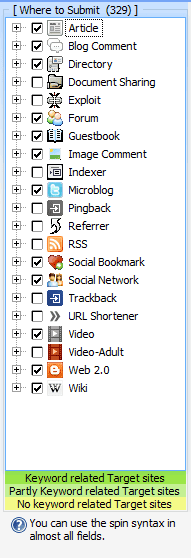
Not every platform type is capable of hosting a contextual link. To achieve true in-content placement, you need to focus your GSA SER campaigns on engines that support full-content posting. The following platform types are the most effective for this purpose:
- Web 2.0 Blogs: Sites like WordPress.com, Blogger, Tumblr, and Wix allow you to create a free subdomain and publish long-form articles with embedded hyperlinks.
- Article Directories: Although many classic directories have lost value, some niche and high-quality directories still accept full articles where you can place a link within the body.
- Social Networks with Posting Features: Platforms like Medium, LiveJournal, or certain forum-based communities allow for article-style posts.
- Contextual Engine in GSA SER: The tool includes a specific "contextual" submission mode that seeks out content management systems where your link can be inserted directly into the article body.
How to Configure GSA SER for True In-Content Links
The difference between a junk backlink and a powerful GSA SER contextual backlinks lies entirely in your project settings. Simply checking all engines and pasting a spintax comment will not yield contextual links. A deliberate setup is required.
- Select the Right Engines: Disable all guestbook, image comment, and basic trackback engines. Focus your project on Web 2.0s, Social Networks, and Article platforms that support a "Body" or "Article" field.
- Create Unique, Readable Content Pools: Instead of a single spun paragraph, load genuine, human-sounding paragraphs and articles. Use heavy spin syntax at the sentence and paragraph level to generate unique variations. The content must be coherent enough that a human moderator would not immediately delete it.
- Use the "Insert Link" Macro Strategically: Place the
GSA SER verified lists macro (or your specific anchor macro) deep within the article body, not at the very beginning or end. A link appearing in the second or third paragraph appears far more natural than one in the first sentence.
- Enhance with Multimedia: Where possible, configure the software to add images or videos. A Web 2.0 post with an image, a paragraph of text, a link, and then another paragraph looks considerably more authoritative and contextual.
- Implement Tiered Link Building: Never point GSA SER contextual backlinks directly at your money site without a buffer. Use them as powerful Tier 2 links, pointing to a Tier 1 property like a high-quality guest post or a meticulously built manual Web 2.0. This provides link juice while insulating your main site from risk.
Benefits and Risks of Automated Contextual Links
Building GSA SER contextual backlinks is a double-edged sword. When done correctly, the rewards can be substantial, but ignorance of the risks can lead to penalties.
Strategic Advantages
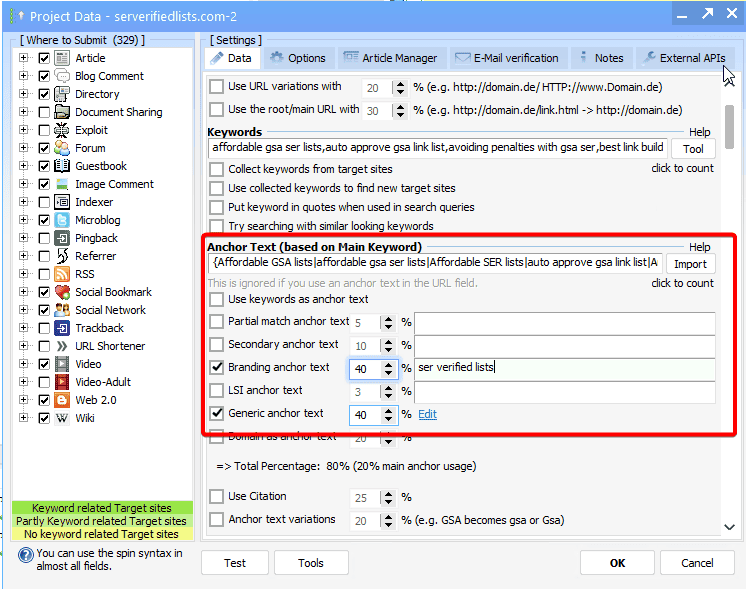
- Anchor Text Control: You have absolute precision over the anchor text, allowing you to sculpt a balanced ratio with exact match, partial match, branded, and generic terms.
- Scalability: You can create hundreds of unique, contextually relevant linking posts across diverse domains in a fraction of the time it would take manually.
- Link Diversity: A natural backlink profile includes links from a wide array of domains. Automated contextual links contribute significantly to this footprint.
- Powerful Tier 2 Links: They supercharge your Tier 1 properties, allowing those high-value links to rank better themselves and pass more authority downstream.
Potential Pitfalls
- Content Duplication: Even with spin syntax, poorly written or over-spun content can result in near-duplicate pages that add little value.
- Oban Networks: If you are not careful about your filter settings, you may end up building links on domains that are shared by thousands of other spammers, which can be a network red flag.
- Relevance Gaps: A contextual link about pet care placed on a generic Web 2.0 with no thematic consistency is still weaker than a link from a niche-relevant, established blog.
FAQs About GSA SER Contextual Backlinks
What exactly is the "Contextual" engine in GSA SER?
The contextual engine is a built-in function that specifically tries to detect CMS themes where your submission content appears as a full page alongside other published articles. It attempts to place your text and link in the main content area rather than just in a comment section.
Do GSA SER contextual backlinks pass more link juice than blog comments?
Yes, typically. Search engines give more weight to links that are surrounded by relevant editorial content. A link inside a 400-word article on a Web 2.0 blog will almost always outperform a link placed in a blog comment or a forum profile bio.
Can I point these links directly at my e-commerce site?
It is highly discouraged. Directing automated GSA SER contextual backlinks straight to a money site is risky. The best practice is to use them as Tier 2 links that power up a manual, white-hat Tier 1 asset. This provides a powerful lift while keeping your main site’s footprint clean and defensible.
What is the ideal anchor text distribution for these links?
A natural profile avoids over-optimization. A safe mix might consist of 5-10% exact match anchors, 20-30% partial match, 30-40% branded anchors, and the rest being generic terms ("click here," "this article," "learn more") and naked URLs.
How can I make my automated content appear more natural?
Invest time in mastering spin syntax. Use large paragraph-level spins so that the text structure changes completely between posts. Include relevant images with alt tags and vary the link position. Even adding auto-generated author names and bios can help a staged Web 2.0 profile look more legitimate, strengthening the value of the GSA SER contextual backlinks it hosts.