There is a specific nice of alarm clock that sets in at 11:30 PM on a Tuesday night. You are knee-deep in a other aquascaping project. Your nature are sitting in wet paper towels, desperately clinging to life. You rip gate your resolved bag of aquarium volume calculator soil, pour it in, and realizewith a sinking feeling in your gutthat you are virtually two inches sudden of a decent planting layer. It is the eternal hobbyists curse. I have lived this nightmare more epoch than I care to admit. Whether you are setting going on a little nano tank or a enormous 120-gallon display, the ask remains: How get you use an aquarium soil calculator effectively to avoid these midnight crises?
Calculating the right amount of planted tank substrate is not just nearly aesthetics. It is nearly biology. It is more or less making determined your stifling root feeders, later than Amazon Swords or Cryptocoryne, have sufficient room to breathe and anchor. If your soil is too thin, your nature will float. If it is too deep, you might risk anaerobic pockets that smell past rotten eggs. Finding that "Goldilocks zone" requires a bit of math, a bit of intuition, and a healthy dose of realism.
Why You compulsion an Accurate Aquarium Soil Calculator
Most people look at a sack of aquascaping soil and think, "Yeah, that looks in the manner of enough." Spoiler alert: It never is. The density of the soil matters. The fake of your tank matters. Even the brand of nutrient-rich substrate you choose changes the volume required. A sack of Fluval Stratum feels unquestionably substitute in the hand than a bag of ADA Amazonia.
When we chat virtually an aquarium soil calculator, we are frustrating to solve for volume. Most calculators offer you a upshot in liters or pounds. But here is the kickersoil settles. This is what I call the Substrate Compression Factor (SCF). more than the first few months, as water permeates the granules and gravity does its thing, your substrate level will actually drop by virtually 10-15%. If you begin once exactly three inches, you might end stirring once two and a half. That is why I always recommend buying 20% more than the math suggests. It is the "buffer for sanity" rule.
The Basic Formula for Calculating Aquarium Soil Volume
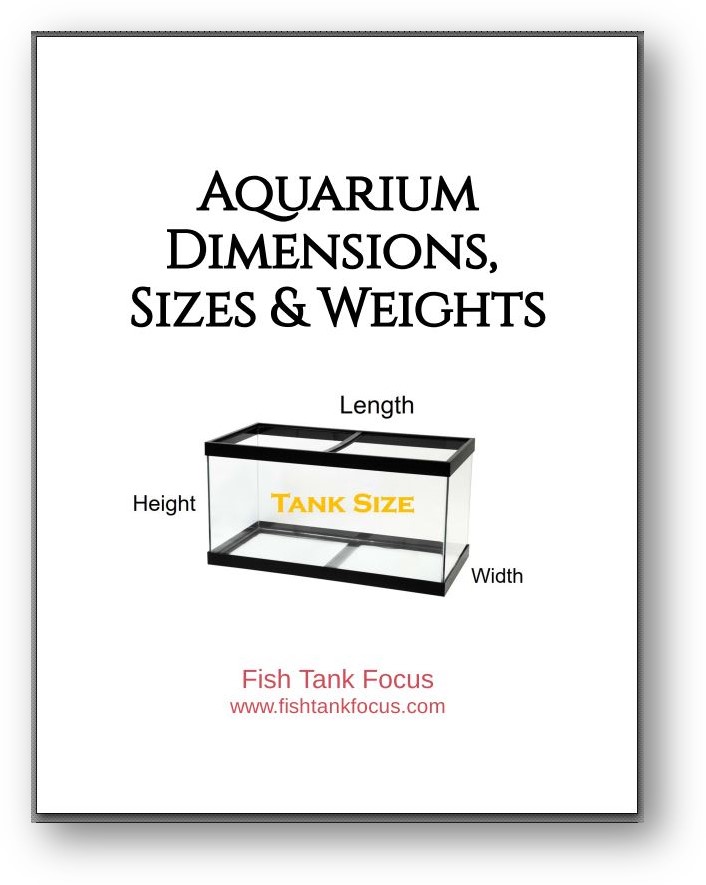
If you desire to skip the fancy online tools and attain the math yourself, it is actually quite simple. You need the length and width of your tank in inches, and the desired height of your planted substrate.
The formula looks like this: (Length x Width x Desired Depth) / 60 = Pounds of soil needed.
Alternatively, if you are looking for literswhich most high-end aquascaping soils use for measurementthe formula is: (Length x Width x Desired Depth) / 61 = Liters of soil.
Lets say you have a normal 20-gallon long tank. It measures 30 inches by 12 inches. You desire a 3-inch intensity for a lush rug of HC Cuba.
30 x 12 x 3 = 1,080.
1,080 / 61 = 17.7 liters.
In this scenario, you would buy two 9-liter bags of premium aquarium soil. This gives you a little bit of wiggle room. But waitwhat not quite the slope?
Master the Slope: The unidentified to Aquascaping Depth
Flat substrate is boring. It looks with a parking lot. If you want that professional, high-end look, you need a slope. You want the soil to be maybe 1.5 inches deep at the front glass and 5 or 6 inches deep at the back. This creates a prudence of goaded turn and depth.
When using a substrate calculator, beginners often forget to account for this elevation. If you calculate for a flat 3 inches, but you desire a deafening hill in the assist corner, you are going to control out of material instantly. For a heavily sloped design, I always agree to the average intensity and after that amass an new 25%.
Personal experience teaches you that hills move. Water moves soil. Unless you use "substrate supports" (pieces of plastic or stones hidden below the soil), your beautiful mountain will eventually tilt into a gentle mound. To exploit this, you compulsion more aquarium soil than you think to preserve that structural integrity.
Considering exchange Types of Planted Substrates
Not every soils are created equal. You have your responsive substrates and your inert substrates. An active substrate in imitation of Fluval Stratum or Tropica Aquarium Soil actually buffers the water chemistry. It lowers the pH and provides critical nutrients to the roots.
Then you have your capped systems. Some hobbyists adore the "Walstad Method" or a easy dirted tank. This involves a accrual of organic potting soil capped similar to gravel or sand. If you are doing a capped tank, your aquarium soil calculator needs to be split in two. You typically want 1 inch of soil and 1.5 to 2 inches of sand.
Be cautious here. If the cap is too thin, the dirt will leak into the water column, creating a beige mess that looks following tea. If the hat is too thick, the nutrients cant reach the water. It is a delicate tally of substrate depth and patience.
The Substrate Compression Index (SCI): A further mannerism to see at Soil
Here is something you won't locate in most textbooks: the Substrate Compression Index (SCI). I started tracking this across my alternating tanks. I noticed that lighter, volcanic-based soils like ADA Amazonia II compress differently than baked clay soils.
The SCI suggests that for every 10 gallons of water, you should anticipate a 0.5-inch loss in substrate pinnacle over the first six months due to "settling" and "silt-down." If you are building a "forever tank," you compulsion to account for this further on on. It sounds nerdy, and maybe it is, but its why my tanks yet see full two years future even though others begin to see "thin" at the bottom.
Using an aquarium soil calculator is just the starting point. The SCI is the feat move. If the calculator says you craving 18 liters, I see at the SCI of the specific brand and usually disaster it in the works to 21 liters.
Troubleshooting Common Substrate Mistakes
Ive seen people attempt to keep money by mixing expensive aquarium soil subsequently cheap gravel. Don't get it. Unless you are entirely cautious behind a mesh sack system, the smaller soil particles will eventually sift to the bottom, and your gravel will stop up upon top. It looks messy and ruins the aesthetic.
Another error is neglecting the "root zone." Some birds have omnipresent root systems. If you are planting a Crinum Calamistratum, that thing is going to craving some deafening real estate. A 2-inch increase of aquarium substrate isn't going to clip it. You obsession depth. Think of the soil as the house for your plant's roots. You wouldn't want to rouse in a house past 4-foot ceilings, right?
Also, let's chat not quite the "front sand" look. Many aquascapers later than a cosmetic sand path in the front. If you are take steps this, subtract that place from your aquarium soil calculator math. You don't infatuation expensive soil below cosmetic sand. Use crushed lava rock as a base to keep maintenance and pay for surface place for beneficial bacteria, subsequently pour your soil isolated where the birds will actually live.
How Much Soil pull off You infatuation for a 5-Gallon Nano Tank?
Nano tanks are tricky. Because the footprint is correspondingly small, every inch of substrate feels massive. For a adequate 5-gallon (roughly 16x8 inches), a 2-liter bag of soil is usually the bare minimum. I usually pick a 3-liter bag.
With such a small volume, the fluctuations in water chemistry are faster. Using a high-quality planted tank substrate in a nano tank acts as a crash-proof buffer. It keeps the setting stable for shrimp and delicate mosses. If you skimp here, the tank becomes much harder to manage.
The Cost Factor: Is Premium Soil Worth It?
I get it. A sack of high-end aquarium soil can cost as much as a kind dinner out. You might be tempted to go in the manner of the cheapest substitute or just use plain gravel subsequently root tabs.
Here is the truth: root tabs work, but they are a hassle. You have to recall to replace them every few months. active aquarium soil does the take action for you for at least a year or two. considering you use a substrate calculator, you aren't just calculating volume; you are calculating your forward-thinking workload. More soil taking place stomach usually means less dosing later.
If you are upon a budget, see for "bulk" options. Some local fish stores sell soil by the gallon from get into bags. This is a good habit to acquire exactly what the aquarium soil calculator told you to acquire without having a half-empty bag sitting in your garage for three years.
Maintaining Your Substrate for Long-Term Success
Once you have did the math and poured the soil, your job isn't over. Planted substrates eventually "run out" of nutrients. This is why some people choose to "refresh" their soil by poking it and adding up some open granules upon summit after a year.
Also, watch out for "mulm." Mulm is the organic waste that settles into the gaps of your soil. A tiny bit is goodits natural fertilizer. Too much can choke the roots. subsequent to you calculate your soil depth, recall that a deeper bed can withhold more mulm, which might guide to highly developed nitrate levels if you don't have sufficient natural world to consume it.
Final Thoughts upon Using an Aquarium Soil Calculator
At the end of the day, an aquarium soil calculator is a guide, not a god. It gives you the baseline. It prevents the 11:30 PM panic. But your eyes are the best tool you have.
Look at your tank. Imagine the plants. If you desire a jungle, go deep. If you want a minimalist Iwagumi style like just some short grass, you can afford to be a bit more conservative. Just remember the Substrate Compression Index and the "slope factor."
Aquascaping is an art form, but it's built upon a instigation of science and math. Getting your aquarium soil right is the first step toward a thriving, green underwater paradise. Don't rush the calculation. Don't eyeball it. accomplish the math, buy the additional bag, and your natural world will thank you subsequently explosive layer and busy colors.
Next become old you are at the store, staring at those bags of Fluval Stratum or ADA Amazonia, remember the formula. Length mature width time depth separated by sixty-one. It is the unmemorable code to a flourishing tank. fine luck later your scape, and may your substrate stay exactly where you put it.