The Essential Guide to Mastering Construction Bonds and Surety Success

Preparing for a Successful Reapplication
Once a bond application has been denied, the next step is to prepare for a successful reapplication. This process begins with a thorough review of the denial letter, which typically outlines the specific reasons for the denial. Addressing these concerns directly in your reapplication will demonstrate to the bonding company that you have taken their feedback seriously.
It can also be beneficial to work with a bonding agent or broker. These professionals can guide contractors through the process, helping them understand the requirements and improving their chances of approval. They can also assist in finding the right surety company that aligns with the contractor's needs and project scope.
Furthermore, building strong relationships with bonding companies can also be beneficial. Establishing trust and open communication can lead to more favorable evaluations of your applications. Attend industry events, network with professionals in the field, and seek out opportunities to connect with key decision-makers in the bonding industry.
Common Challenges in Obtaining Bonds
Contractors may face several challenges during the bonding process. One of the most significant hurdles is financial instability or poor credit history. Surety companies are cautious about the risk they undertake, and any financial red flags can result in denial of the bond application. Contractors should take proactive steps to improve their financial health and credit scores before applying for bonds.
Conclusion
In summary, understanding the intricacies of construction bonds is essential for contractors aiming to secure projects and establish credibility in the industry. By comprehending the various bond types, navigating the approval process, and addressing potential challenges, contractors can enhance their chances of obtaining bonding successfully. While there are financial implications tied to securing these bonds, the benefits often far outweigh the drawbacks. Ultimately, by taking proactive steps and equipping themselves with the right knowledge, contractors can confidently approach the bonding process, paving the way for successful project outcomes and sustainable business growth.
Understanding Construction Bonds and Their Importance
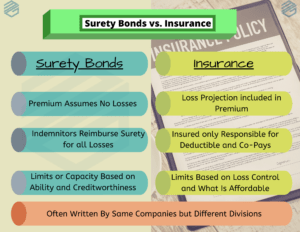
Construction bonds are essential tools in the construction industry, acting as a form of insurance that protects project owners from financial loss due to contractor defaults. There are several types of bonds, including performance bonds, which guarantee the completion of a project as per the contract, and payment bonds, which ensure that subcontractors and suppliers are paid on time. This financial backing not only helps to maintain trust between contractors and clients but also reinforces the integrity of the construction process.
Moreover, diversifying services can also aid in scaling. Contractors should consider offering additional services or specialties that can attract new clients and provide more comprehensive solutions. This diversification can lead to increased revenue streams and enhance the business's overall stability.

Common Pitfalls Leading to Payment Disputes
Understanding the common pitfalls that lead to payment disputes in bonded construction work is vital for prevention. For additional context, visit
contractor surety bonds for a useful checklist and notes. One prevalent issue is the lack of clarity regarding project specifications. If the contract does not clearly outline the expectations for materials, timelines, and deliverables, it can lead to disagreements over what constitutes satisfactory performance. Ensuring that all parties have a mutual understanding of the project scope is essential to avoid these conflicts.

Conclusion
In conclusion, successfully navigating the world of construction bonds requires a comprehensive understanding of the various types of bonds, financial preparedness, and effective project management. By focusing on these key areas, contractors can significantly improve their chances of impressing surety companies and securing necessary bonds for their projects. Building strong relationships with surety agents and maintaining a solid portfolio are also crucial for long-term success.

Moreover, marketing oneself as a bonded contractor can help attract more clients. Clear communication about being bonded and the benefits associated with it can enhance a contractor's competitive edge. Including bonding information in marketing materials, proposals, and business cards is a smart strategy to showcase reliability and professionalism.
Why should I get bonded?
Being bonded enhances a contractor's credibility, opens doors to larger projects, and provides financial protection for clients. It is often a requirement for public sector contracts and can significantly increase a contractor's marketability.
How do I qualify for a construction bond?
To qualify for a construction bond, contractors must demonstrate financial stability, a solid project history, and strong relationships with subcontractors and suppliers. Sureties will evaluate your credit score, financial statements, and overall business practices.