Maximizing Success in Construction: Strategies for Managing Bonds

On the other hand, a payment bond ensures that subcontractors and suppliers will be paid for their work and materials. This is particularly important in the construction industry, where many parties are involved in a single project. A bid bond is another essential type that provides assurance to project owners that the contractor will honor their bid and enter into a contract if selected. Understanding these bond types is crucial for contractors aiming to secure projects successfully.
Contractors must provide bid bonds that are usually 5% to 10% of the total bid amount. This requirement ensures that only serious bidders participate in the process, promoting fair competition. Understanding the requirements for If you have any inquiries about where by and how to use
please click the following page, you can get hold of us at our own web-site. bid bonds in your specific market can greatly enhance your chances of winning contracts.
Conclusion
Preventing construction bond claims is a multifaceted endeavor that requires careful planning, clear communication, and diligent management of contractual obligations. By understanding the types of bonds, establishing comprehensive contracts, monitoring project progress, and prioritizing financial management, stakeholders can significantly reduce the risks associated with bond claims. Furthermore, utilizing insurance and educating all involved parties about their roles and responsibilities can create a more harmonious construction environment. As the construction industry continues to evolve, staying proactive and informed will be key to ensuring successful project outcomes and avoiding disputes that can derail progress. By implementing these strategies, project owners and contractors alike can secure their investments and foster a positive atmosphere for collaboration and success.
How to Secure a Construction Bond
Securing a construction bond involves several key steps that contractors should follow to ensure a smooth process. First, it is advisable to assess your bonding needs by understanding the types of bonds required for your specific projects. Once you have identified the necessary bonds, you can begin seeking out a reliable surety company that specializes in construction bonds.
How Bonds Affect Project Costs
While securing construction bonds can provide numerous benefits, it is essential to recognize the associated costs. Surety companies assess a contractor's financial stability, experience, and creditworthiness, which can impact the premium rates for the bonds. Contractors with a strong financial background may find it easier to obtain bonds at lower rates, while those with less favorable financials may incur higher costs.

As the construction industry evolves, the demand for contractors who can efficiently manage their bonding requirements has grown. This demand underscores the importance of understanding not only what bonds are but also how to obtain them effectively. With the right knowledge and approach, you can streamline the bonding process, ensuring peace of mind for both you and your clients. In this article, we will explore the essential steps, requirements, and insights related to securing construction bonds in the USA.
Understanding the Basics of Surety Bonds
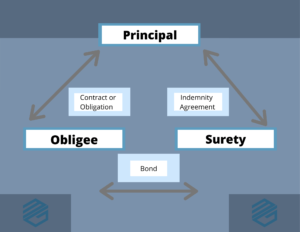
To appreciate the value of surety bonds, it’s essential to grasp their fundamental principles. A surety bond is a contract among three parties: the principal (the party that needs the bond), the obligee (the party that requires the bond), and the surety (the entity that issues the bond). This arrangement ensures that the principal will fulfill their contractual obligations. If they fail to do so, the surety will cover the financial loss, making sure the obligee is protected. This mechanism can be especially beneficial for contractors looking to secure larger projects.

As more LLCs enter the construction market, the need for bonding has become increasingly important. Construction bonds not only protect project owners from financial loss but also ensure that contractors fulfill their obligations. However, the paperwork involved can be complex and often varies depending on the jurisdiction and the bond type. With the right knowledge and preparation, LLCs can streamline the bonding process, ensuring they have the necessary documentation in place. This article will explore the essential paperwork required for construction bonds, providing valuable insights to help LLCs navigate this crucial aspect of their business.
Frequently Asked Questions
What are construction bonds?
Construction bonds are financial guarantees that ensure a contractor will fulfill their contractual obligations. These bonds protect project owners from potential financial losses due to contractor defaults, ensuring that projects are completed according to agreed terms.
Understanding these types of bonds is essential for contractors and project owners alike. For instance, many public projects require both performance and payment bonds to protect taxpayer funds. Additionally, private projects can also benefit from these bonds as a means of risk management. Knowing which bonds are necessary for a specific project can save time, money, and potential legal issues down the line.