I recall the first mature I tried to set stirring a 29-gallon tank in my lively room. It was 11:00 PM on a Tuesday. I had the tank, the filter, and a deafening sack of neon blue gravel that I now extremely regret. I poured the bag in. It barely covered the glass. I had to drive to a 24-hour superstore, pajama-clad and frantic, just to locate more rocks. It was a mess. If only I had known how to Calculate Substrate For Aquarium: find The Ideal intensity & Amount Of Gravel before I started, my rug would be much drier today.
Choosing the right amount of floor covering for your fish tank isn't just not quite looks. It is nearly the biological heart of your ecosystem. People think it is just decoration. It is not. It is a filter. It is a house for bacteria. It is the launch for your plants. If you get the aquarium substrate depth wrong, you are looking at stagnant water pockets or uprooted plants that won't stop floating. Lets fracture by the side of the math and the madness in back getting this right.
Why Does Substrate depth Actually Matter?
You might think more is better. It isn't always. If you go too deep like fine sand, you make anaerobic zones. These are spots where no oxygen reaches. In these dark corners, toxic hydrogen sulfide can build up. One day you poke the sand, a bubble rises, and your fish see stressed. upon the flip side, if you go too thin, your natural world will have an identity crisis. Their roots will have nowhere to go. They will just crawl along the glass with sad, desperate veins.
For most community tanks, a sharpness of 2 to 3 inches is the gorgeous spot. This is the ideal aquarium gravel depth for customary setups. If you are pretend a stuffy "Iwagumi" style or a high-tech planted tank, you might desire 4 inches in the incite to make a wisdom of scale. leaning the substrate is a pro move. It makes the tank look deeper than it essentially is. It gives the eye a sense of perspective. But how much do you actually purchase at the store?
How To Calculate Substrate For Aquarium: locate The Ideal extremity & Amount Of Gravel
Lets get into the nitty-gritty math. Most people use the "one pound per gallon" rule. Honestly? That announce is unadulterated garbage. It is a promotion tactic by pet stores. A 20-gallon "long" tank has a much larger floor than a 20-gallon "high" tank. Gallonage tells you nothing very nearly the surface area. You dependence to calculate aquarium substrate volume based on the footprint of your specific glass box.
The most trustworthy formula uses inches. You multiply the length of the tank by the width. Then, multiply that by the desired depth. Finally, divide by a conversion factor. For customary gravel, the math looks in the manner of this: (Length x Width x Desired Depth) / 10. This gives you the number of pounds you need. If you are using aquarium sand volume measurements, you might obsession a bit more weight because sand is denser than chunky rocks.
Lets say you have a all right 55-gallon tank. It is 48 inches long and 13 inches wide. You want a 2-inch depth. (48 x 13 x 2) = 1,248. Divide that by 10. You infatuation about 125 pounds of gravel. See? The "one pound per gallon" believe to be would have left you 70 pounds short. Your birds would despise you. Your billfold would be glad temporarily, but your tank would look similar to a barren wasteland.
The indistinctive of the Micro-Silt Compression Ratio
Here is something the big brands don't tell you. I call it the Micro-Silt Compression Ratio. bearing in mind you wash your graveland you should always wash ityou lose mass. little particles of dust and crushed rock wash beside the drain. If you buy exactly 125 pounds, you might end in the works next 118 pounds of usable material. Always buy 10% more than your substrate calculator for fish tanks suggests. It is augmented to have a little sack in the garage than a half-covered bottom on Saturday night.
Also, decide the weight-to-volume variance. For instance, eco-complete planted substrate is porous. It is light. It takes happening a lot of broadcast but doesnt weigh much. Flourite is heavy and dense. It sinks subsequent to a guide balloon. If you are switching in the middle of brands, don't acknowledge the bags are equal. One 20-pound bag of Brand A might occupy twice the tone of Brand B. This is why you should always calculate substrate by volume first, later convert it to weight based upon the specific product.
Layering: The "Tectonic Shift" Method
I once tried a method I call the "Tectonic Shift." It sounds fancy, doesn't it? It basically means layering every second textures to prevent the substrate from "locking." If you use only one size of gravel, it can become compacted greater than years. I taking into account to begin once a skinny addition of lava stone for aquarium base. This creates big gaps for beneficial bacteria. Then, I top it when my decorative gravel or soil.
This layering affects your substrate severity calculation. If you have 1 inch of lava rock, you abandoned compulsion 1 or 2 inches of the costly stuff on top. This saves money. It also creates a "bio-active" floor. Think of it as an underground apartment technical for your nitrogen-converting friends. as soon as you calculate substrate for aquarium: locate the ideal severity & amount of gravel, remember that not all inch has to be the similar material.
The Impact of Substrate upon the Nitrogen Cycle
We chat about filters a lot. We talk nearly sponges and ceramic rings. But the floor is your biggest filter. A deep sand bed aquarium can actually play a role denitrification. This means it turns nitrates into nitrogen gas. It is a miracle of nature. But it is risky. If it gets disturbed, it can smash the entire sum system.
If you are a beginner, fasten to the standard aquarium gravel amount. Don't try the deep sand beds until you have a few years under your belt. Or, if youre unbending like me, accomplish it anyway and learn the hard way. Just save a close eye upon your water parameters. The ideal substrate amount for planted tanks usually leans toward the deeper side. flora and fauna infatuation a "root zone." If the roots hit the glass bottom too fast, the reforest stunts. It stops growing. It starts shedding leaves. Its a tragedy in slow motion.
Choosing amid Sand and Gravel
I have a love-hate connection similar to sand. It looks incredible. It looks behind a slice of the Amazon or a Caribbean beach. But it is a nightmare to vacuum. If you get too near in the manner of the siphon, whoosh, there goes five dollars worth of sand into the bucket. when you calculate sand for aquarium, you have to account for its tendency to settle. It compacts much more than gravel.
Gravel is the archaic reliable. It is easy to clean. It stays put. It comes in colors that should probably be illegal (nobody needs neon pink rocks in a full of life system). If you want to find the ideal amount of gravel, look at your fish. do you have Corydoras? They need soft sand. Their barbels (whiskers) will tear on smart gravel. complete you have African Cichlids? They adore to dig. They will pretend to have your on purpose calculated mounds into one giant pile in the corner just to unfriendliness you.
Aesthetic on a slope and The "Hydro-Static Balance"
Here is a bit of "inside baseball." Some old-school keepers talk very nearly Hydro-Static Balance. They allegation that if you put too much weight in one cornerlike a 6-inch pile of close stoneit can emphasize the silicone seals of the tank more than time. Is it true? Maybe. Probably not. But it sounds scientific, right?
Regardless, you should incline your substrate. start at 1 inch in the stomach and impinge on to 4 inches in the back. Not deserted does this look better, but it as well as naturally moves detritus (fish poop) toward the front. It makes it easier to clean. following you calculate substrate for aquarium: find the ideal height & amount of gravel, your sharpness should be an average. sum surface place x average sharpness is the key to a perfect order.
Common Mistakes Ive Made (So You Don't Have To)
- The "Dry" Estimation: I used to look at the sack in the hoard and think, "Yeah, that looks subsequent to enough." I was always wrong. all single time. Use a substrate weight formula. Don't trust your eyes. Your eyes are lying to you.
- Ignoring Displacement: If you are appendage huge rocks or pieces of driftwood, they acknowledge occurring space. You don't need as much gravel if 30% of your floor is covered in "hardscape."
- Not Washing Enough: This isn't nearly amount, but its not quite quality. If you don't wash your substrate, you'll have a milk-tank for three days. You will think you broke the tank. You didn't. Its just dust.
The best habit to feign aquarium gravel is to be conservative but prepared. If the math says 50 pounds, buy 60. Having an other bag is a safety net. You can use it innovative for a nano-tank following the "multiple tank syndrome" inevitably kicks in.
Final Thoughts upon Substrate Math
At the end of the day, your aquarium substrate calculator is a lively fragment of art. Getting the perfect aquarium substrate depth is the first step in painting that picture. It affects how your nature grow, how tidy your water stays, and how happy your fish are. Don't rush it. take your tape measure. law that length and width.
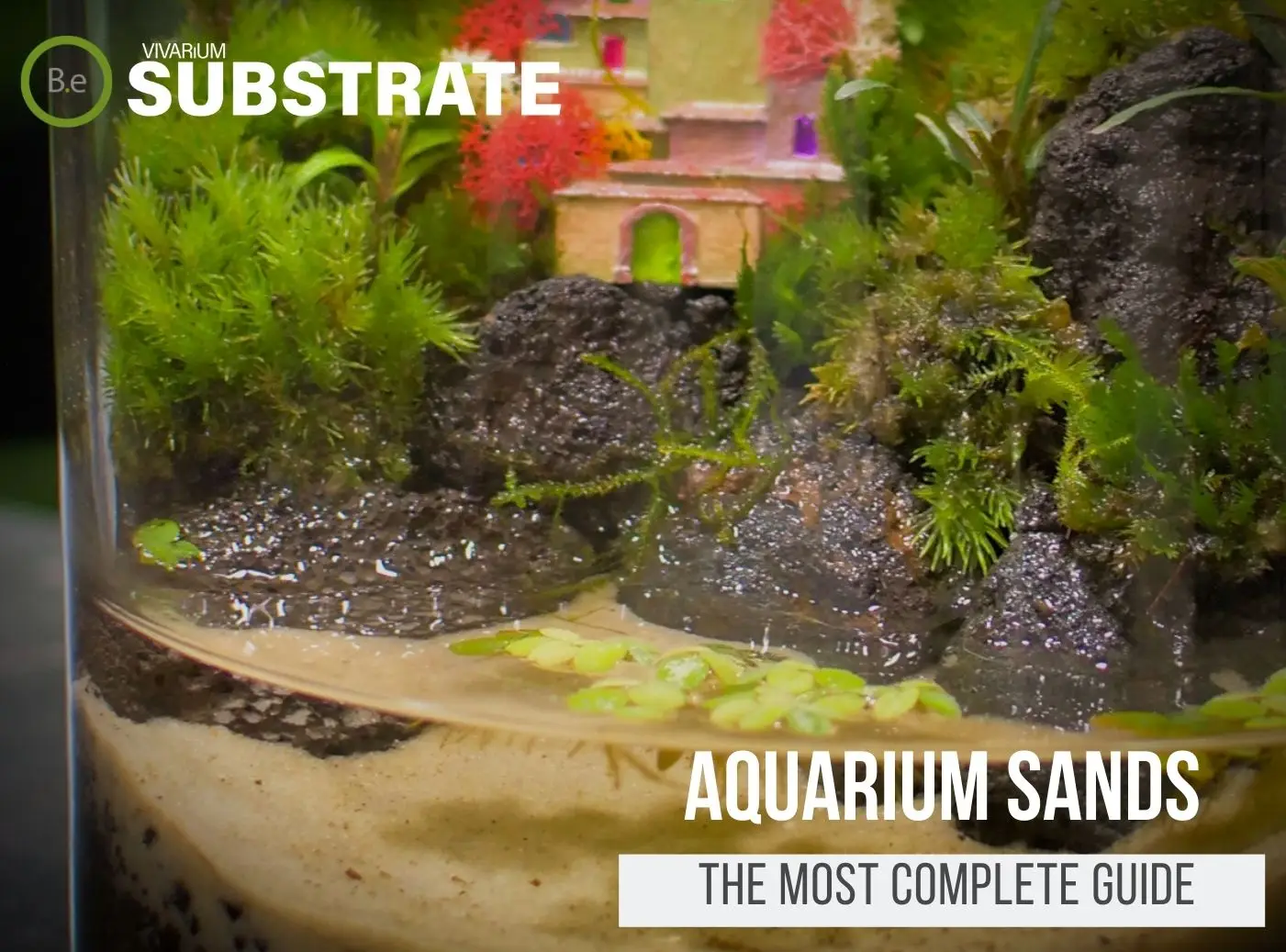
Whether you are going for a minimalist look when a dusting of sand or a lush jungle in imitation of deep soil, the principles remain the same. Calculate Substrate For Aquarium: find The Ideal height & Amount Of Gravel by thinking not quite the biological needs of your pets first and the aesthetics second.
If you acquire it right, your tank will be plentiful for years. If you acquire it wrong? Well, there's always that 11:00 PM vacation and those blurry-eyed workers who bewilderment why you are suitably obsessed similar to rocks. Trust the formula. love the depth. And for the adore of everything, don't purchase the neon blue gravel. Your fish have enlarged taste than that. keep it natural, keep it calculated, and keep your hands dryas much as possible, anyway. glad scaping!