Unlocking the Secrets of Surety Bonds: Your Guide to Finding Reliable Providers
Moreover, having a contingency fund can provide peace of mind to contractors, allowing them to focus on project execution rather than worrying about potential financial pitfalls. This fund can be particularly useful in the construction industry, where unexpected costs can frequently occur due to changes in project scope, material price fluctuations, or labor shortages. By being prepared for these eventualities, contractors can maintain smoother cash flow and protect their financial interests.
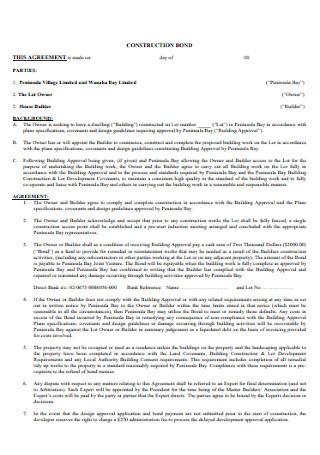
In the United States, surety bonds are often required for public projects, especially in the construction industry. Many state laws mandate that contractors secure these bonds before they can bid on or commence work on public contracts. Understanding these requirements is critical for contractors who wish to participate in government projects.

When a principal fails to meet their obligations, the surety steps in to compensate the obligee, up to the bond amount. This not only protects the obligee but also holds the principal accountable, as they must reimburse the surety for any claims paid out. The financial implications of this arrangement can be significant, especially for small businesses striving to establish themselves in a competitive market. A strong bond can provide the necessary assurance to stakeholders, enhancing a company's creditworthiness.
Implementing project management software, cloud-based collaboration tools, and financial management systems can significantly improve operational efficiency. By utilizing these technologies, contractors can provide real-time updates to stakeholders, track project progress, and manage budgets more effectively. This level of transparency and efficiency can instill confidence in surety companies, ultimately leading to increased bonding capacity.
Utilizing Financial Forecasting
Financial forecasting is a vital tool for contractors aiming to protect their cash flow. By analyzing past project data and current market trends, contractors can make informed predictions about future cash flow needs. This proactive approach allows contractors to anticipate potential shortfalls and plan accordingly. For example, if a contractor knows that a particular project will require significant upfront investment, they can arrange for financing options in advance to cover those costs.
Bond Type
Purpose
Benefits
Performance Bond
Guarantees project completion
Protects owner investment and enhances contractor credibility
Payment Bond
Ensures payment to subcontractors
Reduces risk of liens and maintains collaborative environment
Bid Bond
Secures contract bid
Demonstrates contractor reliability and financial stability
Maintenance Bond
Covers repairs post-completion
Provides assurance of quality work over time
In addition to enhancing credibility, bonded construction work provides a competitive advantage. Clients are often more inclined to hire contractors who can demonstrate financial reliability through bonding. This can lead to more opportunities and better contracts, ultimately contributing to a stronger cash flow. Moreover, bonding companies often provide valuable resources and support to contractors, helping them navigate challenges and streamline operations.

Another critical aspect is the contractor’s experience in similar projects. Underwriters tend to favor contractors who have a proven history of completing projects on time and within budget. This experience not only reflects the contractor's capability but also their understanding of potential challenges in the bonding process. Additionally, underwriters may consider references from previous clients to gauge the contractor’s reliability and professionalism in handling projects.
Leveraging Technology for Efficiency
In today's digital age, technology plays a pivotal role in streamlining construction processes. Contractors who leverage technology to improve efficiency and communication can enhance their overall project management capabilities. This, in turn, can lead to a more favorable assessment of bonding capacity.
Cost Considerations for Surety Bonds
The cost of obtaining a surety bond can fluctuate based on several factors, including the type of bond, the amount required, and the financial stability of the contractor. Most surety bonds are issued for a percentage of the total bond amount, typically ranging from 1% to 15%. This percentage often depends on the contractor's credit score, experience, and the nature of the project.
How can technology improve cash flow management in construction?
Technology can streamline budgeting, invoicing, When you loved this information and you would want to receive more details concerning
techbullion.com`s statement on its official blog assure visit the web site. and reporting processes, reducing the likelihood of errors and enhancing efficiency. Construction management software can provide real-time financial insights, aiding in better cash flow forecasting.

Conclusion
In conclusion, navigating the world of surety bonds requires careful consideration and research. By understanding the basics of surety bonds, evaluating potential providers based on their experience, reputation, and financial stability, you can make informed decisions that benefit your business. While costs and the complexity of the application process can pose challenges, the advantages of securing a reliable surety bond provider far outweigh the drawbacks. As you embark on this journey, keep in mind the importance of proactive planning and thorough vetting of your options to ensure a successful bonding experience.