Unlocking the Secrets of Surety Bonds in the Construction Industry
The Advantages of Surety Bonds in Public Construction
Utilizing surety bonds offers numerous benefits to contractors involved in public construction. If you want a deeper dive, check
bonded construction work for public jobs for step-by-step guidance. Firstly, they enhance credibility and trustworthiness. When a contractor can present a surety bond, it signals to project owners that they are financially stable and committed to fulfilling their contractual obligations. This can significantly improve a contractor's chances of winning bids, especially in competitive markets.

Additionally, surety bonds can enhance a contractor's reputation within the industry. By demonstrating financial reliability and a commitment to fulfilling contractual obligations, contractors can build trust with clients and stakeholders. This trust can lead to more significant project opportunities and repeat business, ultimately contributing to long-term success.

Networking within the industry can also play a vital role in building relationships with sureties. Attending industry conferences, engaging with surety agents, and joining construction associations can provide valuable opportunities for contractors to connect with sureties and other industry professionals. These relationships can lead to better support during the bonding process and may even result in referrals for future projects.
The necessity of surety bonds can vary based on the project size, type, and location. Many public projects require bonds as a safeguard for taxpayer money, ensuring that funds are not misallocated or wasted. In private construction, although bonds may not be a legal requirement, they can significantly enhance a contractor’s reputation and trustworthiness among clients. Therefore, understanding how these bonds operate and their importance can help contractors align their business strategies accordingly.
Maintaining Relationships with Surety Companies
Once a contractor has established a bond with a surety company, it’s essential to maintain a positive relationship. Regular communication and updates on project progress can foster trust and reliability. This relationship can prove invaluable when seeking future bonds or renewals, as a positive track record with a surety company can lead to better rates and terms.

Moreover, using data analytics tools can provide contractors with insights into their financial performance, helping them make informed decisions that affect their bonding capabilities. By leveraging technology effectively, contractors can enhance their operational efficiency and present themselves as modern, capable partners to sureties.
What happens if a contractor fails to fulfill their obligations?
If a contractor fails to complete a project as agreed, the surety company will step in to compensate the project owner for any losses incurred. The surety then has the right to seek reimbursement from the contractor.
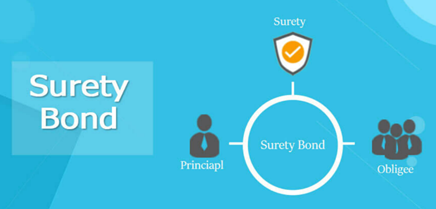
How do surety bonds enhance a contractor's reputation?
Being bonded enhances a contractor's credibility by demonstrating financial stability and commitment to fulfilling contractual obligations. This can lead to increased trust from project owners and more opportunities to secure contracts.

Performance bonds, which are often required for larger projects, provide assurance that the contractor will complete the work according to the contract terms. If the contractor fails to fulfill their obligations, the surety will step in to cover the costs of hiring another contractor to complete the work. This type of bond is particularly critical in large-scale projects where financial implications are substantial.
Demonstrating Project Management Skills
In addition to financial stability, sureties are keenly interested in a contractor's project management capabilities. Effective project management is essential for completing construction projects on time and within budget. Contractors who can demonstrate a solid track record of managing similar projects successfully will have an advantage in the bonding process. This can include providing examples of past projects, detailing the methodologies employed, and showcasing the results achieved.

Types of Surety Bonds in Construction
Each type of surety bond serves a unique function, tailored to address specific risks associated with construction projects. Bid bonds, for example, are typically a small percentage of the total project cost and serve as a guarantee that the contractor will enter into a contract if awarded the job. This ensures that project owners do not waste time and resources on bids from contractors who may not be serious about the work.
Building Relationships with Sureties
Establishing a positive relationship with sureties can significantly enhance a contractor's ability to secure bonds. Communication is key; contractors should be open and transparent about their project plans, financial status, and any potential risks. By fostering trust and demonstrating reliability, contractors can create a favorable impression on sureties, which may lead to more favorable bonding terms.