A Help Guide To Built-in Oven Offer From Start To Finish
Everything You Need to Know About Built-In Ovens
When modernizing a cooking area, one of the most significant choices property owners deal with is whether to purchase a built-in oven. Built-in ovens perfectly incorporate into kitchen area cabinets, providing both visual appeal and practical advantages. For those thinking about an upgrade or installation of a new oven, this detailed guide will supply important insights, contrasts, and solutions.
What is a Built-in Oven?
A built-in oven is developed to be set up within cooking area cabinets rather than standing alone like a traditional oven. This plan provides a streamlined, structured look while conserving area in compact kitchens.
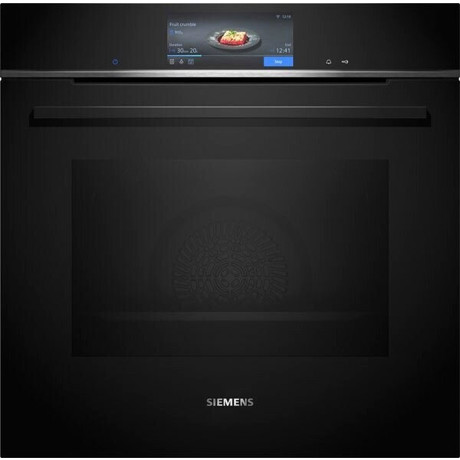
Advantages of Built-in Ovens
- Space-Saving Design: Built-in ovens are developed to fit comfortably into existing kitchen cabinetry, taking full advantage of counter tops and floor space.
- Visual Appeal: They can be customized to match the kitchen area decoration and kitchen cabinetry, providing a stylish look.
- Flexibility: Available in various designs, sizes, and surfaces, built-in ovens can easily blend into any kitchen style.
- Improved Cooking Capabilities: Many built-in ovens come with advanced functions like self-cleaning options, convection settings, and smart oven innovation.
Kinds Of Built-in Ovens
The marketplace uses a number of kinds of built-in ovens, accommodating diverse cooking requirements. Here's a breakdown of the primary types:
| Type | Description | Ideal For |
|---|
| Single Built-in Oven | A conventional design that accommodates one oven. | Standard home cooking needs |
| Double Built-in Oven | Two ovens stacked for versatile cooking alternatives. | Large households or cooking enthusiasts |
| Wall Oven | Installed in walls, supplying practical gain access to. | Space-constrained areas |
| Stove | Uses a fan and exhaust system for even cooking. | Baking lovers |
| Steam Oven | Utilizes steam to cook food, preserving moisture and nutrients. | Health-conscious cooks |
Key Features to Consider
When picking the perfect built-in oven, GeschirrspüLer Einbau Angebot there are a number of functions to evaluate:
- Size: The measurements play a crucial role in ensuring the oven fits your kitchen area layout. Requirement sizes vary from 24 to 30 inches wide.
- Oven Capacity: Larger capacities appropriate for households or those who often captivate.
- Heating Elements: Look for ovens with multiple heating aspects for even heat distribution.
- Self-Cleaning Options: Many contemporary ovens include self-cleaning capabilities, conserving you time and effort.
- Smart Technology: Wi-Fi-enabled ovens allow you to keep an eye on cooking development and tailor settings from your smartphone.
Price Range of Built-in Ovens
Buying a built-in oven differs based upon features and brand names. Here's a price range for common built-in oven types:
| Oven Type | Price Range |
|---|
| Single Built-in Oven | ₤ 800 - ₤ 2,500 |
| Double Built-in Oven | ₤ 1,500 - ₤ 3,500 |
| Wall Oven | ₤ 1,000 - ₤ 4,000 |
| Convection Oven | ₤ 1,000 - ₤ 3,000 |
| Steam Oven | ₤ 1,200 - ₤ 3,500 |
| Smart Oven | ₤ 1,500 - ₤ 5,000 |
The rates above vary and can change based upon brand credibility, merchant promotions, and additional functions.
Setup Considerations
Installing a built-in oven needs careful factor to consider:
- Location: Strategically choose an area that optimizes area and benefit for meal preparation.
- Electrical Requirements: Many built-in ovens require particular outlet capacities. Ensure your kitchen area can fulfill these needs.
- Ventilation: Proper ventilation is vital, especially for wall ovens or convection models.
- Expert Installation: It is constantly a good idea to work with certified professionals for setup to prevent safety threats.
Maintenance and Care
To lengthen the life of a built-in oven, follow these care pointers:
- Regular Cleaning: Utilize self-cleaning features and remove spills without delay.
- Check Seals: Inspect oven door seals frequently, changing them if harmed.
- Regular Inspections: Schedule routine professional assessments to ensure all built-in systems are operating efficiently.
Frequently Asked Questions About Built-in Ovens
1. Just how much area is required for a built-in oven?
Generally, built-in ovens need cabinetry space that is 28 to 30 inches wide for standard designs; however, always measure your particular oven measurements before setup.
2. Can I set up a built-in oven myself?
While some property owners have the abilities to perform the installation, employing certified specialists is advised to fulfill security and code requirements.
3. Are built-in ovens worth the financial investment?
Built-in ovens offer boosted performance, visual appeals, and space-saving options. For many, their long-term benefits surpass the preliminary financial investment.
4. What's the distinction between convection and routine ovens?
Convection ovens flow air throughout cooking, resulting in much faster and more even cooking compared to traditional (regular) ovens, which might have locations.
5. How energy-efficient are built-in ovens?
Energy efficiency differs by design; search for ovens with a good energy ranking and features like wise technology that enhance power intake.
Built-in ovens represent an ideal blend of design and functionality, making them a deserving financial investment for modern-day kitchen areas. With numerous types, sizes, and features, they offer something for everyone, from a baking fanatic to a busy family. By comprehending the advantages, types, rates, and maintenance considerations, readers can make an informed decision in selecting the ideal built-in oven for their homes. Whether you're revamping your kitchen or upgrading appliances, a built-in oven can raise the cooking experience and enhance your cooking area's visual.