Unlocking Your Potential: Expanding Your Construction Bonding Capacity
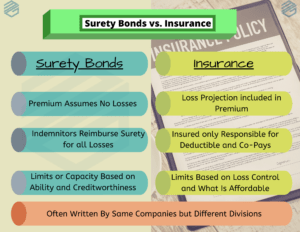
Moreover, improving financial health prior to applying for a bond can lead to more favorable terms. This could involve paying down debts, increasing cash reserves, or improving credit scores. Contractors who take proactive steps to enhance their financial profiles will likely find it easier to secure bonds and may even qualify for lower premiums.
In this exploration, we will cover various strategies and insights that can help you enhance your bonding capacity. From understanding the bonding process to improving your financial standing and building relationships with surety companies, we aim to provide you with actionable steps that can lead to tangible results. By the end of this article, you will have a clearer understanding of how to navigate the complexities of bonding capacity and the necessary measures to surpass the barriers that may currently hold you back.

The relationship between contractors and surety companies is built on trust and mutual benefit. Contractors benefit from the security provided by the bonds, while surety companies mitigate their risk by ensuring that only qualified contractors are bonded. This symbiotic relationship helps maintain the overall financial health of the construction industry.
Can I negotiate the terms of my construction bond?
If you liked this post and you would like to obtain more details about
performance and payment bonds kindly check out the web site. Yes, contractors can negotiate the terms of their construction bonds. Factors such as premium rates, collateral requirements, and payment schedules can often be discussed during the bonding process to reach mutually beneficial agreements.
Another essential strategy is to clearly articulate the contractor's value proposition. This includes showcasing unique strengths, such as a solid safety record, timely project completions, and financial stability. When sureties understand what sets a contractor apart, they may be more inclined to offer more favorable terms.
Conclusion
In conclusion, breaking past the limits of your construction bonding capacity requires a multifaceted approach that encompasses financial management, relationship building, and compliance with industry standards. By understanding the fundamentals of bonding, the factors that influence capacity, and the strategies to enhance it, contractors can position themselves for success. A strong bonding capacity not only opens doors to larger projects but also solidifies a contractor's reputation in the industry. As you implement these insights, remember that continuous improvement and adaptability are key to thriving in the ever-evolving construction landscape. Start taking actionable steps today to unlock your potential and expand your opportunities for growth.
What documents do I need to apply for a surety bond?
Common documents include financial statements, personal and business credit reports, project descriptions, and any licenses or certifications relevant to your work. Providing a comprehensive application package is crucial for approval.
Financial Health and Its Importance
Maintaining robust financial health is paramount for contractors looking to enhance their bonding capacity. This involves not only having a positive cash flow but also managing debts and liabilities effectively. Contractors should regularly review their financial statements to identify areas for improvement, such as reducing unnecessary expenses or increasing revenue streams. Financial ratios, such as the current ratio and debt-to-equity ratio, can provide valuable insights into the contractor's financial stability.
Understanding the Types of Construction Bonds
There are several types of construction bonds, each designed to address specific risks associated with construction projects. The most common types include performance bonds, payment bonds, and bid bonds. A performance bond ensures that the contractor completes the project according to the contract terms, protecting the project owner from financial loss. In contrast, a payment bond guarantees that subcontractors and suppliers will be paid for their services, thereby preventing liens against the property.
Additionally, contractors should shop around and compare quotes from different surety companies. This can help them find the best rates and terms that align with their business needs. A well-planned approach to managing bond costs can ultimately improve a contractor’s bottom line.
Moreover, there are also specialized bonds such as maintenance bonds, which cover the contractor’s work for a specified period after project completion. These bonds are essential for ensuring long-term quality and accountability. Understanding these different bonds is vital for contractors and project owners alike, as selecting the right type can significantly influence the project's outcome.

Additionally, applying for surety bonds ahead of project deadlines can provide contractors with a buffer period to address any issues that may arise. For instance, if a contractor applies for a bond well before the project start date, they have ample time to manage any potential problems, such as credit history concerns or financial documentation gaps. This foresight can mean the difference between winning a contract and losing it to a competitor who is better prepared.