What To Focus On When Making Improvements Integrated Oven Sizes
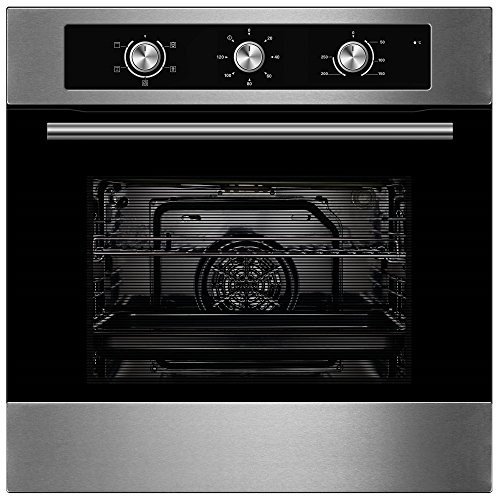
Understanding Integrated Oven Sizes: A Comprehensive Guide
Integrated ovens have become associated with modern-day cooking areas, offering smooth aesthetics and efficient cooking services. As homeowners objective for a seamless appearance in their cooking spaces, understanding integrated oven sizes ends up being crucial for enhancing kitchen designs and ensuring effective cooking. This post explores the different integrated oven sizes offered in the market, their measurements, and how to select the best one for your home.
What is an Integrated Oven?
An integrated oven is created to be built into kitchen cabinets, supplying a streamlined look that blends effortlessly with the rest of the kitchen. Unlike freestanding models, integrated ovens can be hidden behind cabinetry doors or positioned at eye level, making them a popular choice for modern cooking areas.
Key Features of Integrated Ovens
- Space-saving style: Optimizes kitchen area without compromising style.
- Personalized finishes: Available in numerous colors and materials to match kitchen design.
- Advanced technology: Often geared up with modern functions, consisting of clever innovation, differing cooking modes, and energy-efficient operations.
Typical Integrated Oven Sizes
When considering an integrated oven, the most critical element to evaluate is its size. Integrated ovens come in different dimensions, typically developed to fit standard kitchen cabinetry. The following table describes the most common integrated oven sizes:
| Oven Type | Height (mm) | Width (mm) | Depth (mm) | Cooking Capacity (litres) |
|---|
| Single Built-In | 590 | 595 | 550 | 60-70 |
| Double Built-In | 590 | 595 | 550 | 60 (each oven, total 120) |
| Compact Built-In | 450 | 595 | 550 | 30-40 |
| Mix Microwave | 455 | 595 | 550 | 30-40 |
| Wall Oven | 720 | 600 | 550 | 70-90 |
Considerations When Choosing an Integrated Oven Size
When it concerns selecting the appropriate size for an integrated oven, there are a number of factors to think about:
- Kitchen Layout: Evaluate your kitchen area and decide where the oven will be integrated into cabinets.
- Cooking Needs: Consider how often you cook and your cooking preferences (e.g., baking, roasting).
- Offered Space: Measure readily available kitchen cabinetry dimensions to make sure the oven fits snugly.
- Capacity Requirements: Assess the size of meals you typically prepare, particularly for families or when entertaining visitors.
- Future-proofing: Think about integrating trends such as clever technology or versatility in use.
Kinds Of Integrated Ovens
Integrated ovens are readily available in numerous types, each offering unique advantages:
- Conventional Ovens: Standard cooking functions, suitable for a lot of cooking techniques like baking and roasting.
- Steam Ovens: Utilize steam for cooking, perfect for healthier dishes, keeping wetness and nutrients.
- Convection Ovens: Circulate hot air for even cooking, great for baking pastries and several dishes all at once.
- Microwave Ovens: Offer fast reheating or thawing alternatives and can be integrated with conventional ovens for versatility.
Benefits of Integrated Ovens
Integrated ovens supply numerous benefits that can boost the cooking experience:
- Aesthetics: Offers a tidy design that fits flawlessly into any kitchen design.
- Area performance: Maximizes area by using built-in cabinets.
- Ergonomics: Mounting ovens at eye level improves benefit and security when getting rid of hot dishes.
- Increased performance: Many integrated choices include features such as self-cleaning and clever connectivity.
Often Asked Questions (FAQs)
1. What is the standard size for an integrated oven?
The most typical size for a single built-in oven is approximately 590mm in height, 595mm in width, and 550mm in depth.
2. Can I set up an integrated oven in an existing kitchen?
Yes, as long as the existing cabinets can accommodate the size and requirements of the picked oven, it can be integrated seamlessly.
3. Do integrated ovens have a bigger capacity than freestanding ones?
Usually, integrated ovens have a similar capacity to freestanding designs; however, particular styles might differ. Always check the requirements for optimal area and capacity.
4. Are integrated ovens more costly than freestanding ovens?
Integrating an oven can be more expensive due to installation and customization. However, rates differ based on brand name and innovation, so it's important to compare choices.
5. Is upkeep various for integrated ovens?
Maintenance for integrated ovens resembles that of freestanding models however might need more care with Electric Built in ovens uk-in kitchen cabinetry components. Regular cleaning and understanding the oven's functions are vital for longevity.
Choosing the right integrated oven size is vital for enhancing kitchen area and improving culinary experiences. By understanding the different configurations available and considering individual cooking needs, homeowners can flawlessly incorporate a modern-day oven into their kitchen areas. With a range of styles to suit diverse aesthetic appeals and functionalities, integrated ovens stay a popular option for contemporary cooking areas. Whether you're refurbishing or building a new kitchen, selecting an integrated oven customized to your needs will guarantee years of satisfaction and cooking creativity.